
Case studies · Non-profit · Ramadan fundraising
Every organisation asks during Ramadan. We gave people a reason to choose.
01The problem
Where it started.
During Ramadan, every Muslim organisation asks for support. Muhammadiyah did not have a visibility problem. It had a connection problem.
Donors had plenty of places to give their zakat, and no particular reason to choose this one. The appeal was built around the ask, while donors respond to the outcome: they were shown a need, not the person on the other side of it.
02The fix
Give, to do what?
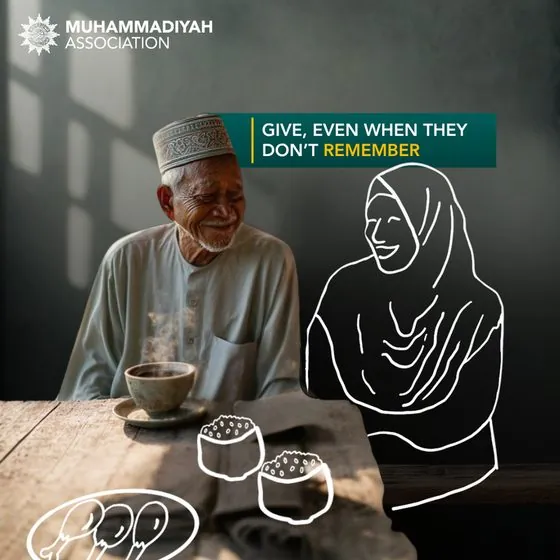
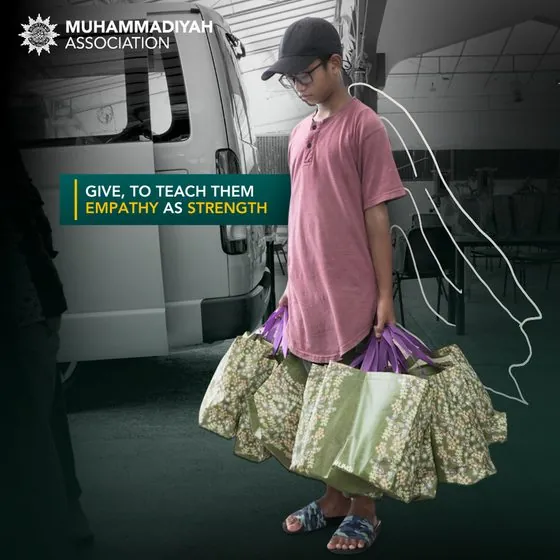
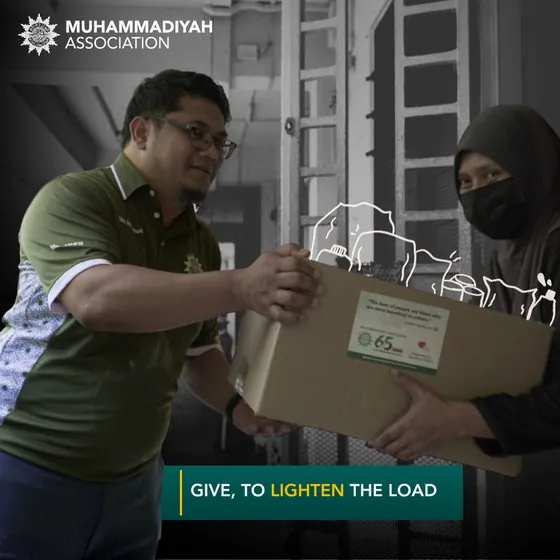
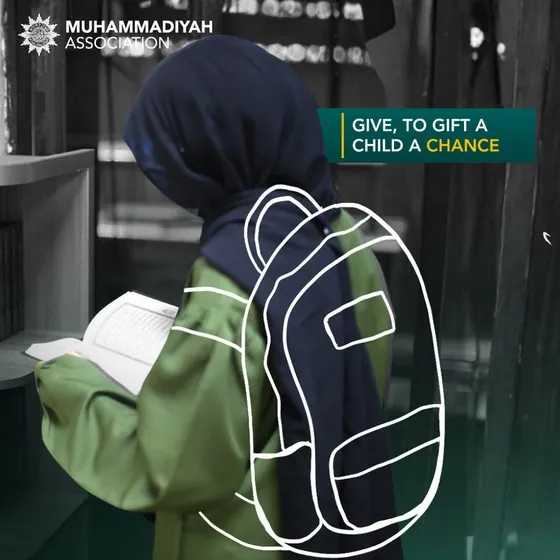
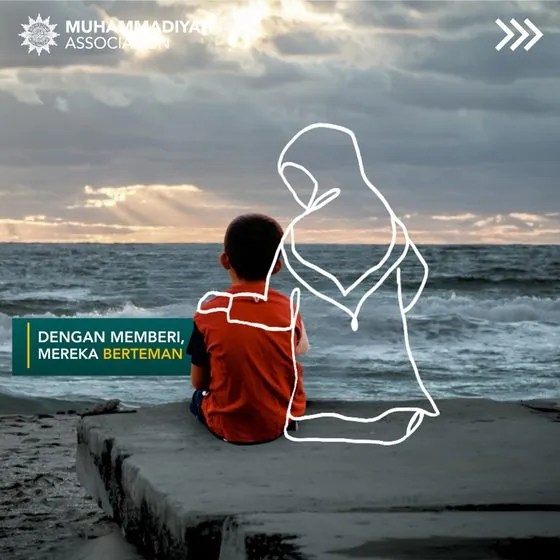
A campaign built on human stories and purpose. Each piece answered one question and placed the life a contribution changes directly in the frame: teaching a child empathy, lightening a family’s load, giving a child a chance, remembering those who can no longer remember.
03The campaign
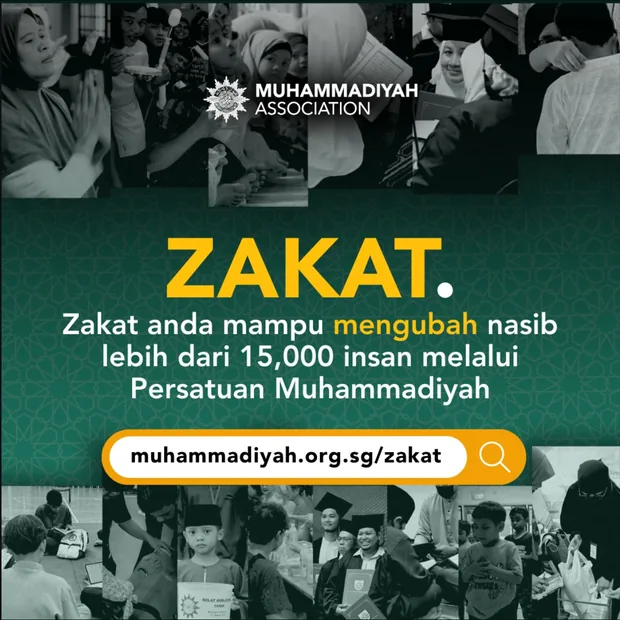
“Give, to …” the series.
Every key visual answered the same question and drew the person a contribution reaches straight into the frame. Drag or swipe through the series.
04Amplification
The right message, amplified.
The campaign did not win by being louder than every other Ramadan appeal.
It won because every piece carried one clear, human message. When we put paid weight behind it, people did not just see it. They shared it, saved it and acted on it.
- +2283%Facebook views1.02M views in the campaign window
- +1483%Instagram accounts reached362,858 accounts
- +738%Facebook interactionsAgainst the previous 54 days
- +21%Ramadan donationsYear on year
05From the dashboards
The figures, unedited.
Screenshots from Instagram Insights and Meta Business Suite, 8 February to 30 March 2026. Drag or swipe through.
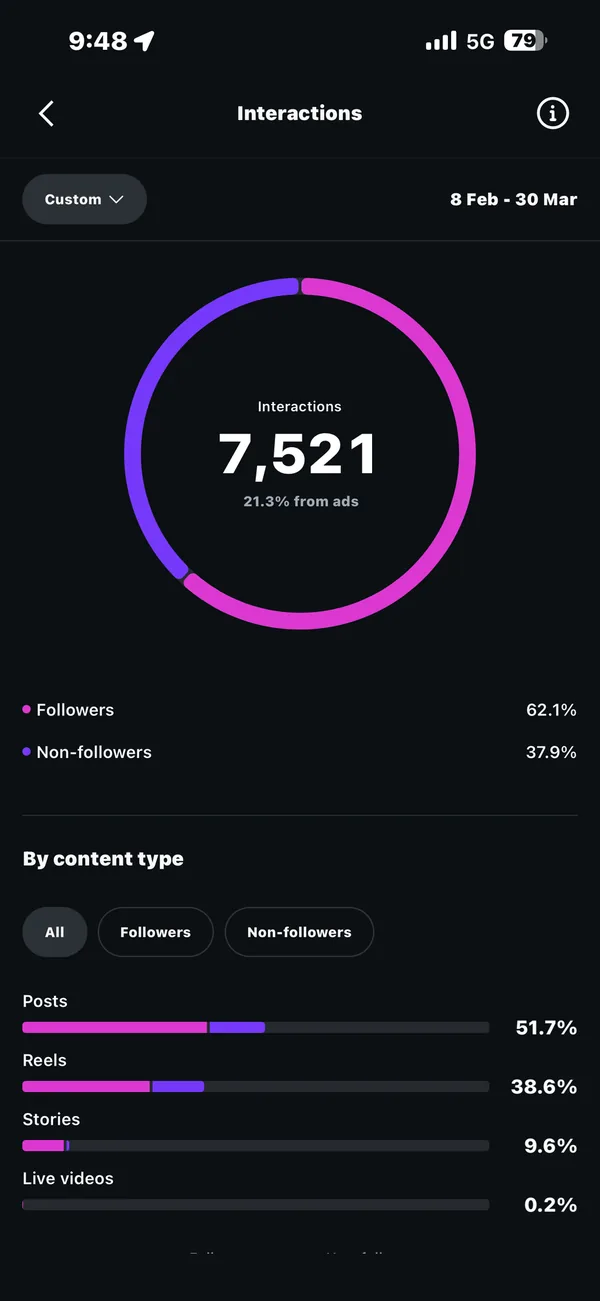
Instagram interactions: 7,521 in seven weeks 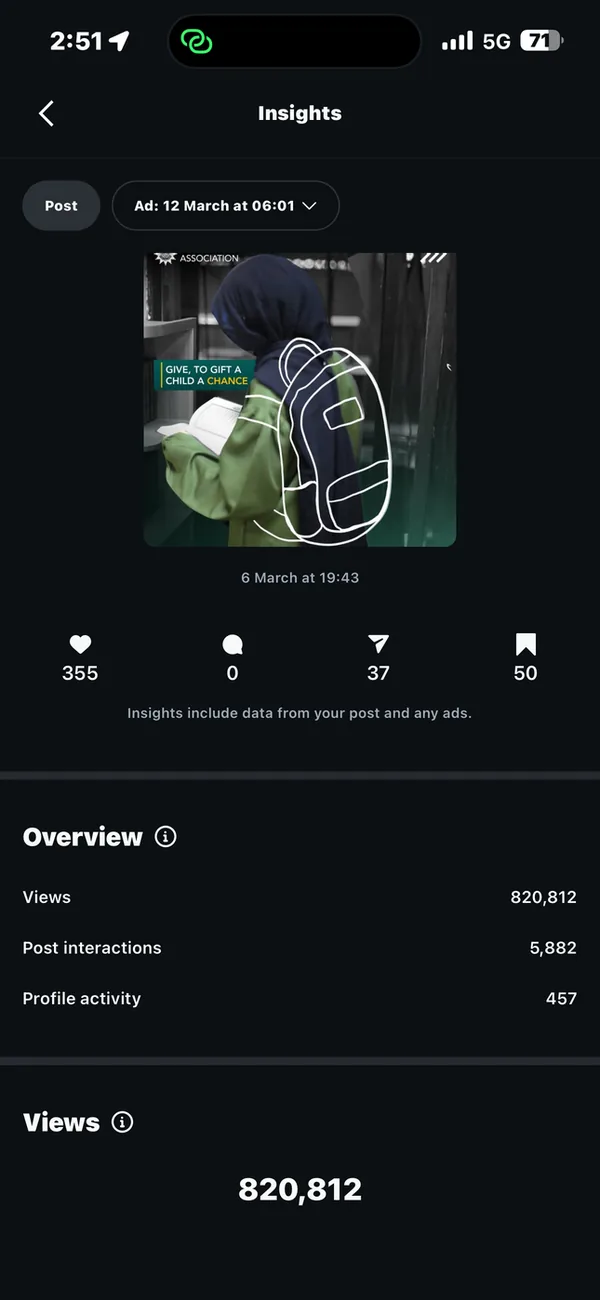
Main campaign post: 820,812 views 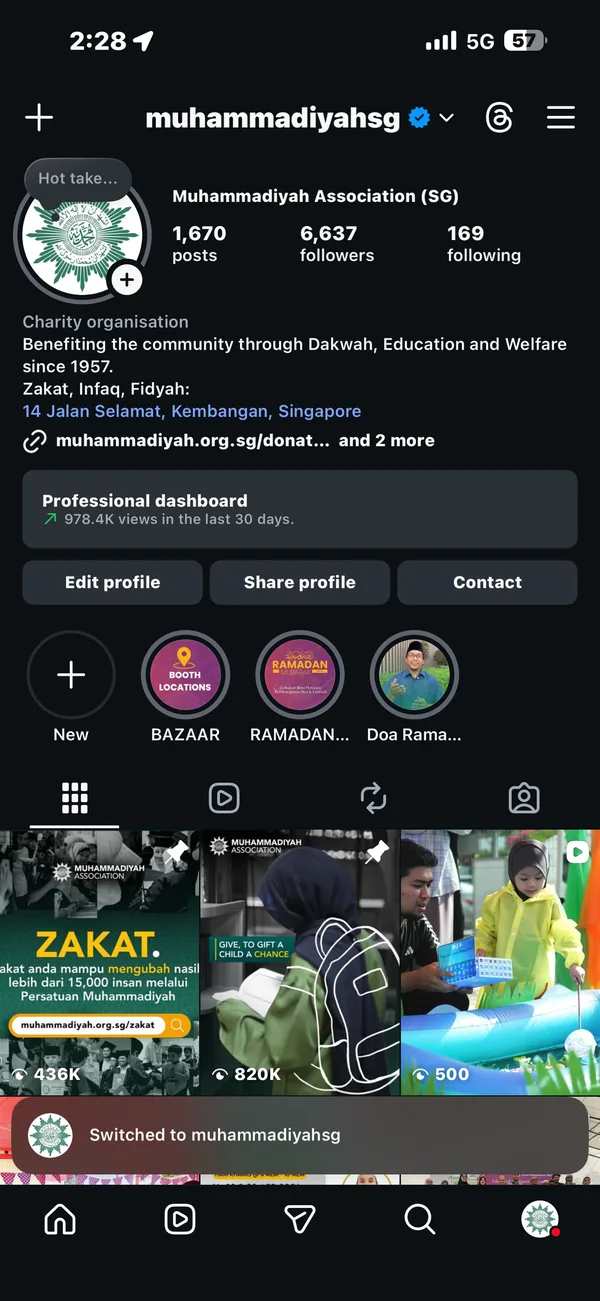
The profile mid-campaign 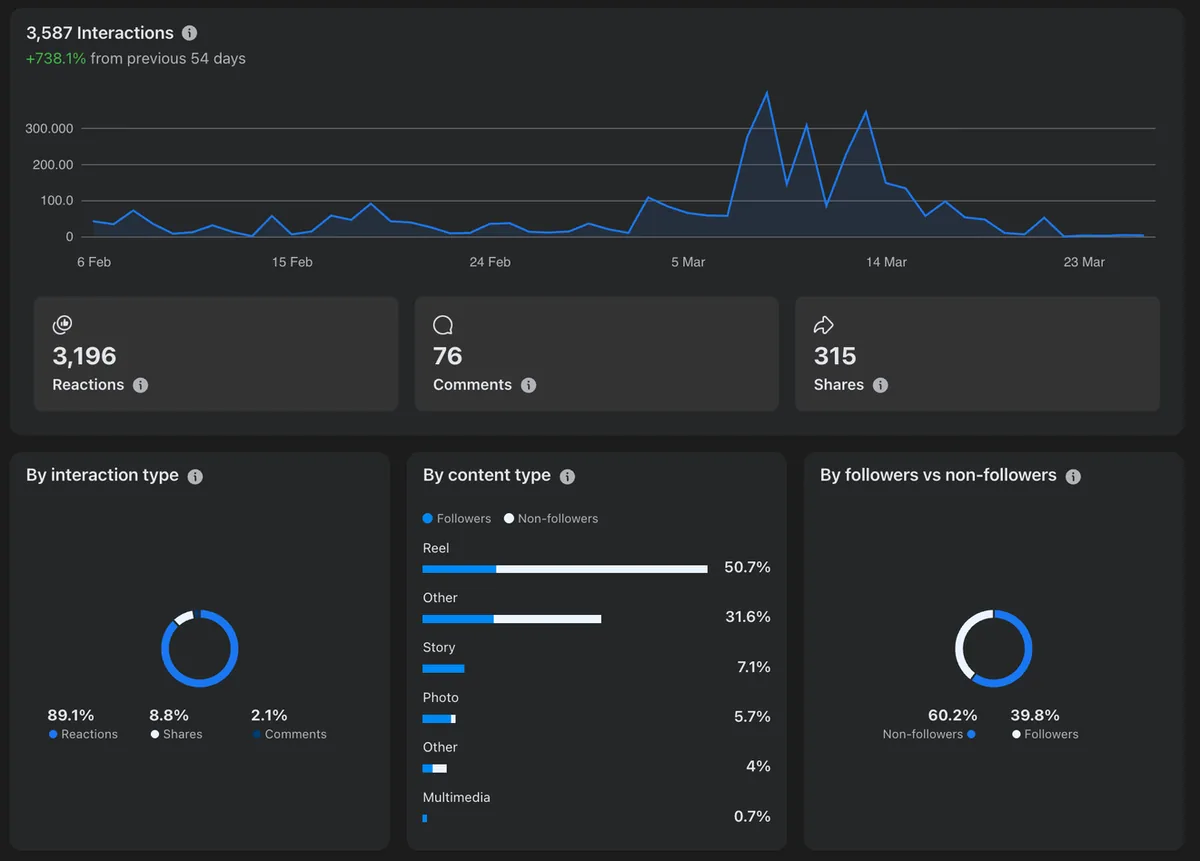
Facebook interactions: up 738.1% 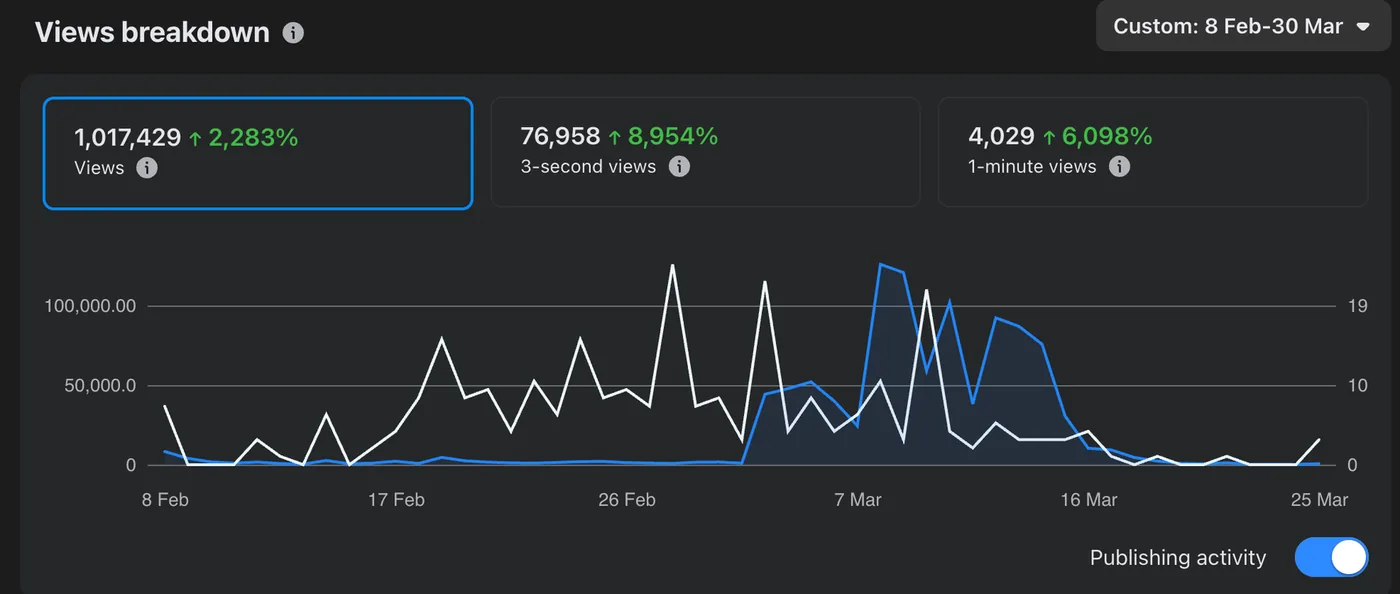
Facebook views: 1,017,429, up 2,283%
06On the ground
Beyond the feed.
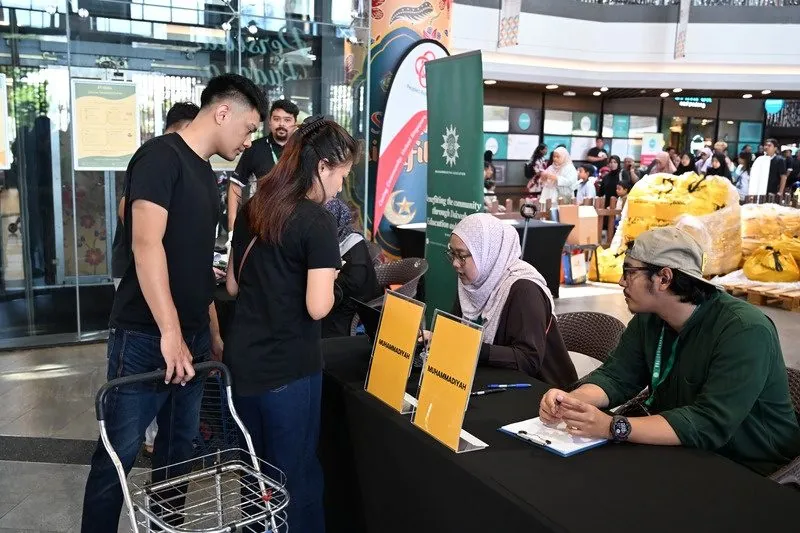
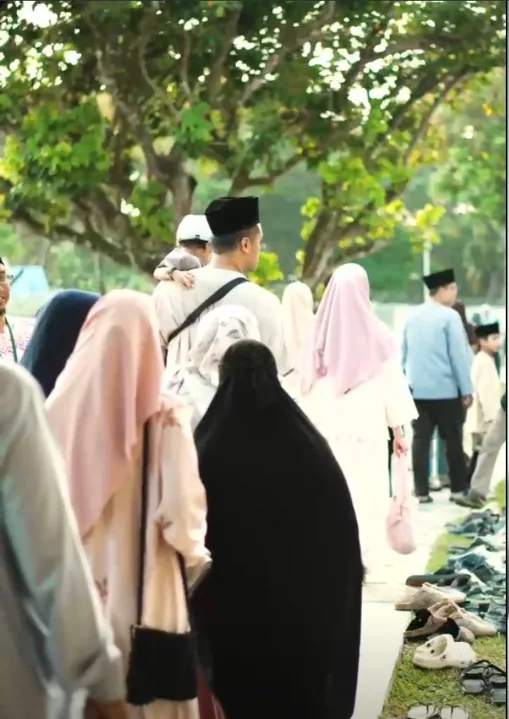
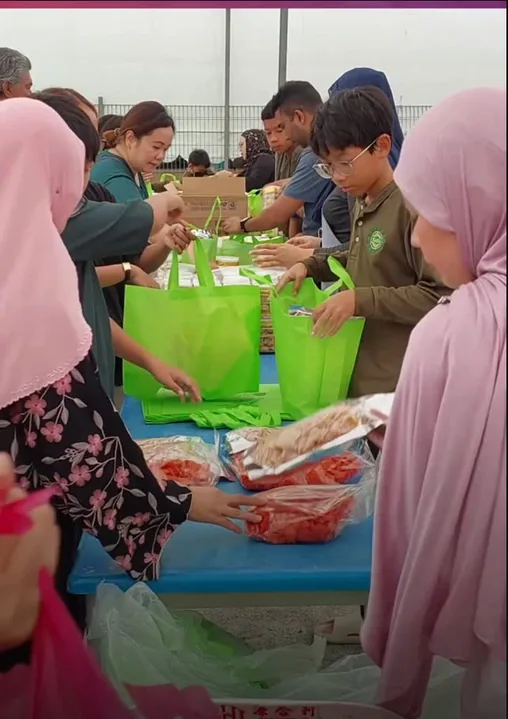
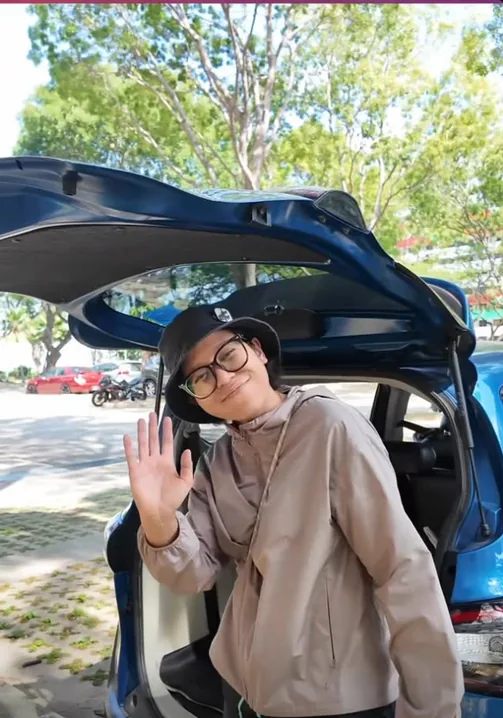
Coverage of iftar gatherings, meal distributions and the Muhammadiyah Health and Day Care Centre carried the same story into the community, so the people donors saw online were the people volunteers met in person.
People were not short of opportunities to give. They were short of reasons to connect.